Is Your Child Struggling to See Clearly at a Distance? Discover What You Can Do About Myopia
More and more children are developing myopia (short-sightedness). They may have difficulty seeing distant objects clearly, such as the classroom board, road signs, or faces from afar. Because myopia usually develops gradually, children often do not realize that their vision is deteriorating.
At Ponsioen Optiek, we help parents and children with expert advice and the latest solutions to keep young eyes as healthy as possible.
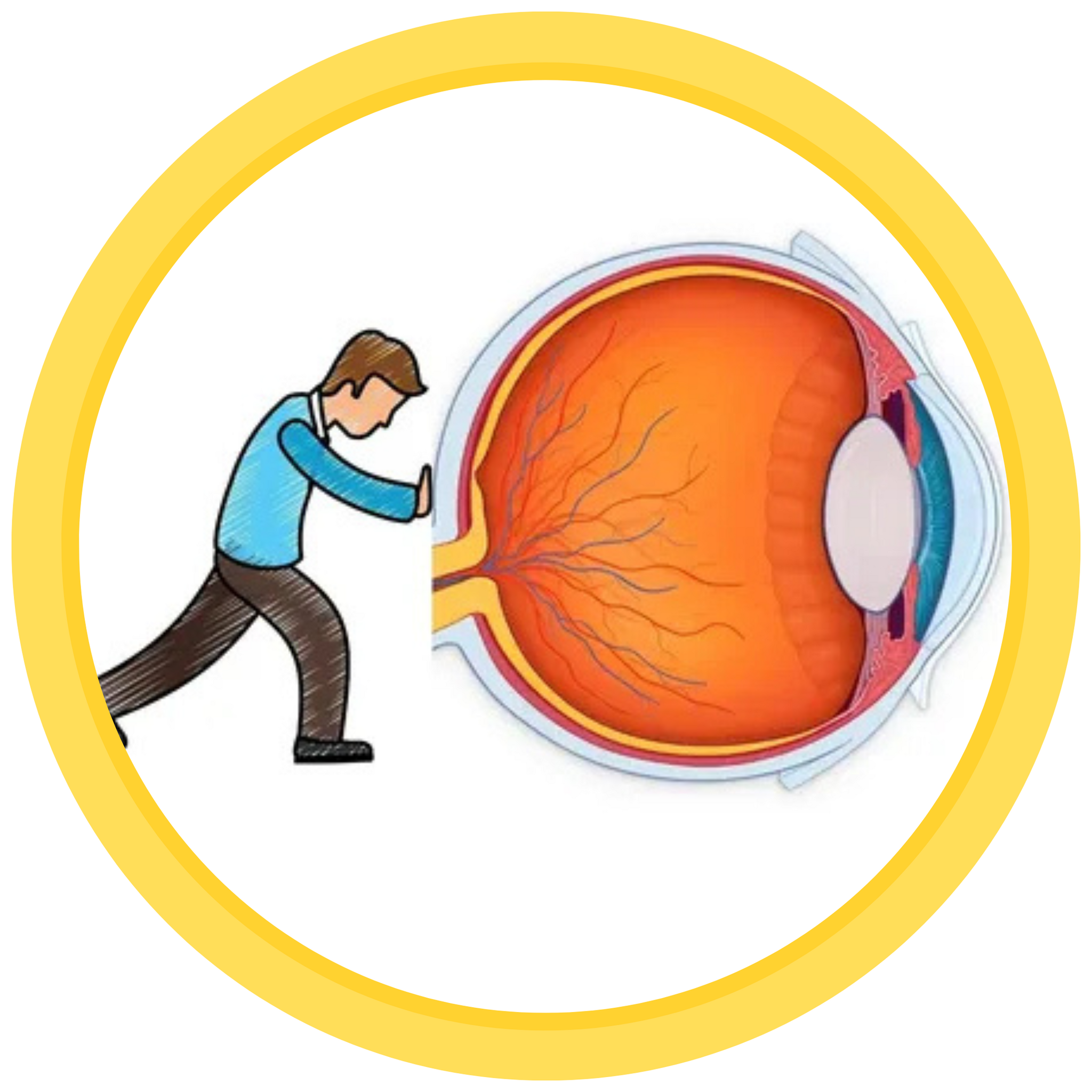
What is Myopia?
Myopia is a vision condition in which the eye grows too long. As a result, images are focused in front of the retina instead of directly on it, causing distant objects to appear blurred. As myopia progresses, the risk of developing eye problems later in life also increases.
That is why it is important not only to correct myopia, but also, whenever possible, to slow down its progression.
What Can You Do as a Parent?
There are several things you can do to support your child's healthy visual development:
-
Have your child's eyes examined regularly.
-
Encourage outdoor play and plenty of natural daylight.
-
Limit prolonged near work on tablets, smartphones, and books.
-
Encourage regular breaks by alternating between near and distance viewing.
Early eye examinations can help detect and manage myopia at an early stage.
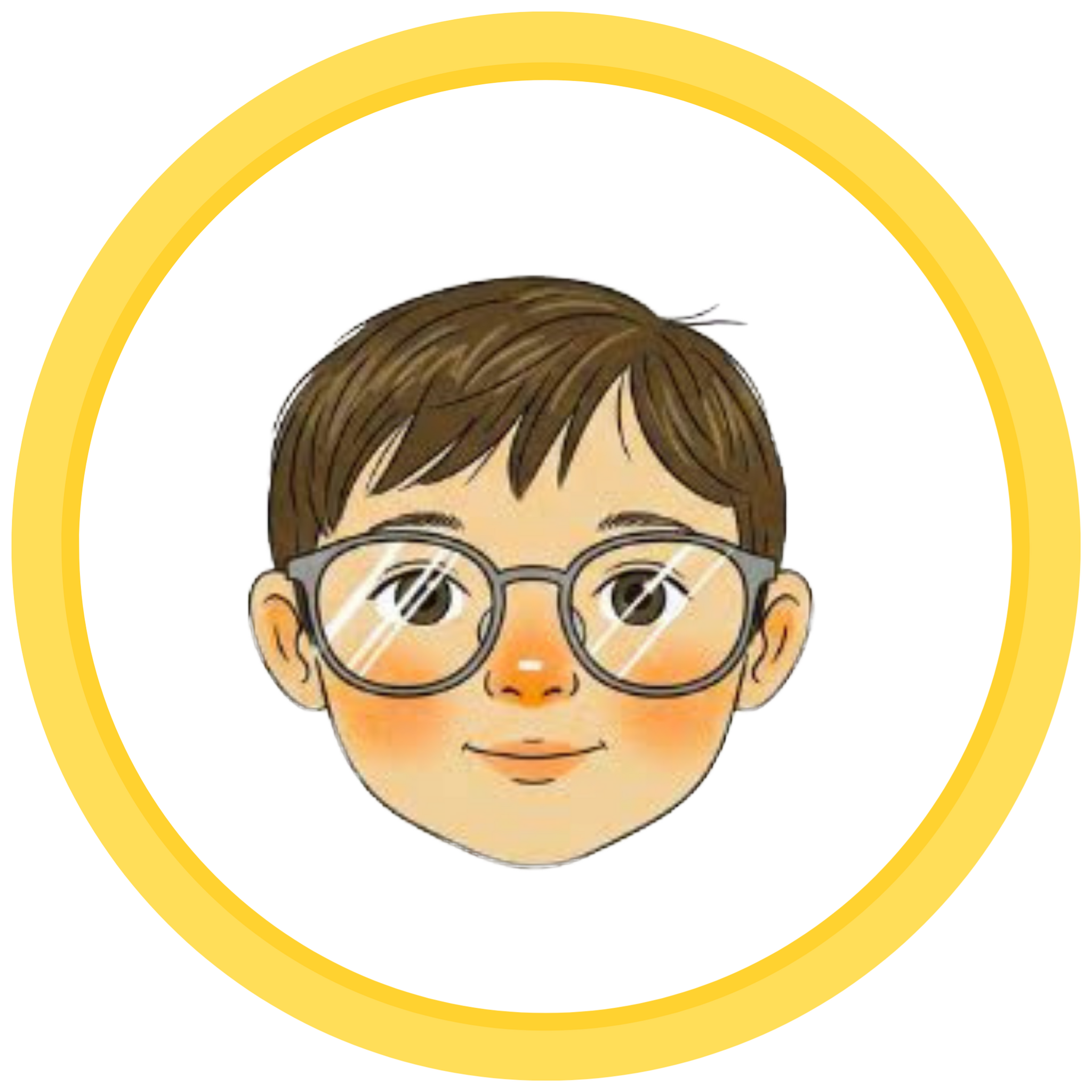
For children with myopia, there are specially designed solutions that not only correct vision but can also help slow the progression of myopia.
ZEISS MyoCare spectacle lenses have been specially developed for children with myopia. They provide clear vision while helping to slow the progression of short-sightedness. For the best results, the glasses should be worn every day.
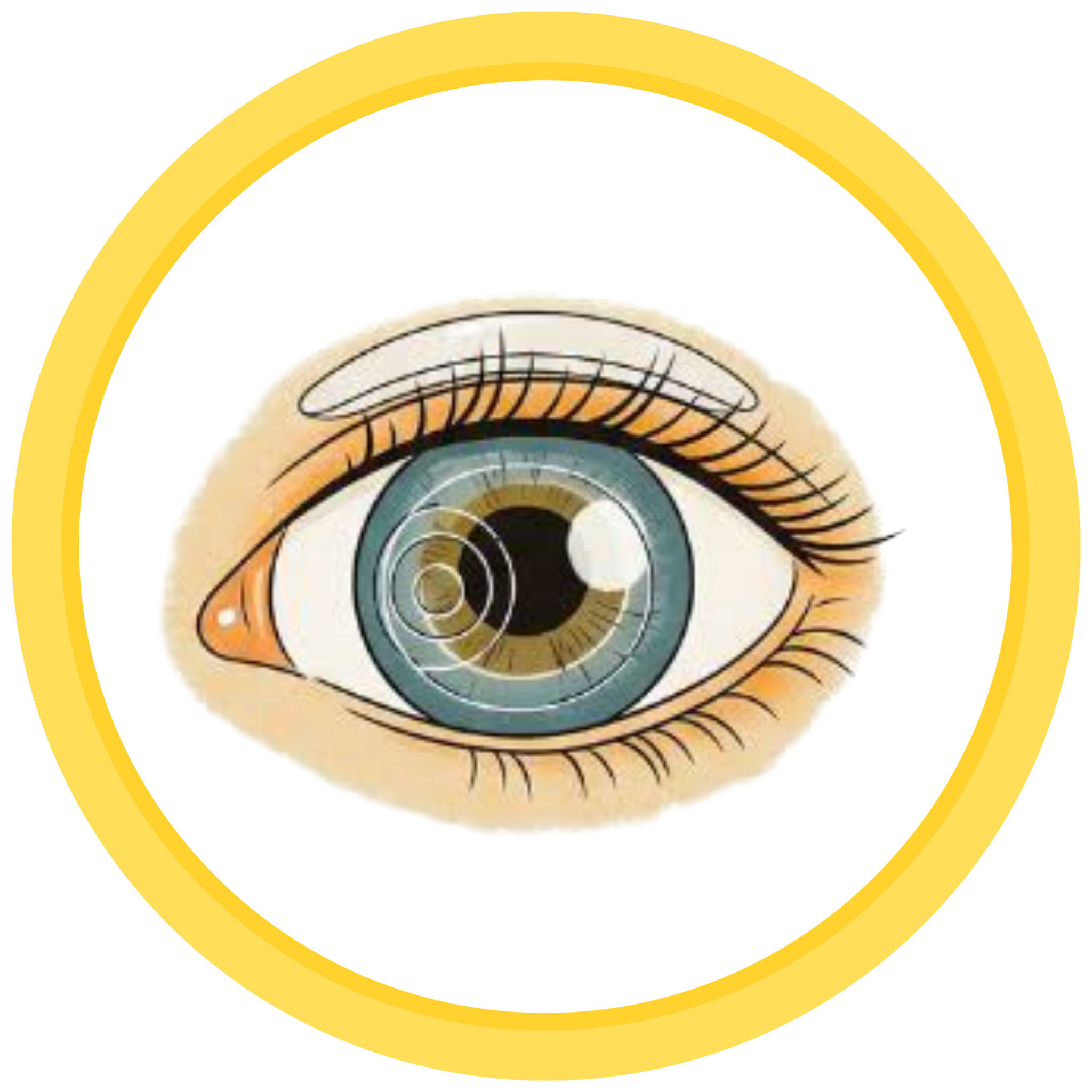
MiSight® 1 day contact lenses are also specifically designed for children with myopia. These daily disposable lenses not only provide clear vision but may also help reduce the progression of myopia.
During a comprehensive eye examination, we will advise you on the solution that best suits your child's needs.
Take Advantage of Our Myopia Promotion
For a limited time, enjoy these exclusive benefits at Ponsioen Optiek:
-
€75 discount on ZEISS MyoCare spectacle lenses with the purchase of a complete pair of glasses.
-
If your child's prescription increases by more than 0.75 dioptres within 12 months, you will receive a new pair of ZEISS MyoCare lenses free of charge.
-
Purchase a second pair of glasses fitted with ZEISS MyoCare lenses and receive one lens free.
Please ask in-store for the terms and conditions of this promotion.
Book an Appointment
Do you think your child may be developing myopia? Don't wait too long. The earlier myopia is detected, the greater the opportunity to manage its progression. If necessary, we will refer your child to an ophthalmologist or an orthoptist for further assessment.
Feel free to contact Ponsioen Optiek for personal advice or to schedule a comprehensive eye examination. Together, we can help your child enjoy clear, comfortable, and healthy vision for years to come.

